Adult Dog
Ensuring a healthy and happy life for your adult dog is a top priority. We're here to provide you with the essential tools, informative articles, and a selection of quality PEDIGREE® products to support your pet's well-being. Plus, don't miss the chance to explore new product samples


Feeding

7 Essential Dog Food Ingredients
Want to provide your dog with a quality life? Pay extra attention to its diet. Dog’s need nearly 37 essential nutrients to…

4 Reasons to Trust PEDIGREE® Dog Food
Every pet parent has found themselves in a predicament when it comes to feeding their pooch—is homemade dog food better and…

5 Ways Wet Dog Food Can Benefit Your Pooch
Did you know? Dogs, especially the picky ones, generally get enticed by wet dog food. Thanks to its taste, texture, and rich…

How is packed dog food better than homemade dog food?
Home cooked meals, unless prepared by veterinary nutritionists, can be deficient or unbalanced in terms of required…

Your dog’s changing diet
From a puppy to a senior - as your dog grows older their dietary needs change. Young dogsThe time to change a puppy's…

7 Best Vitamins for Dogs
Our furry friends hold a special place in our hearts, and we want nothing but the best for them. Just like us, dogs require…

Why Your Dog Is A Picky Eater: 4 Tips To Help Feed Them
If you have ever found yourself exclaiming, 'my dog is a picky eater,' know that you are not alone in this pet parenting…

Calcium, phosphorus and your dog
Calcium and phosphorus are vital to your dog’s metabolism and to bone development for puppies. The wrong balance of these…
Caring
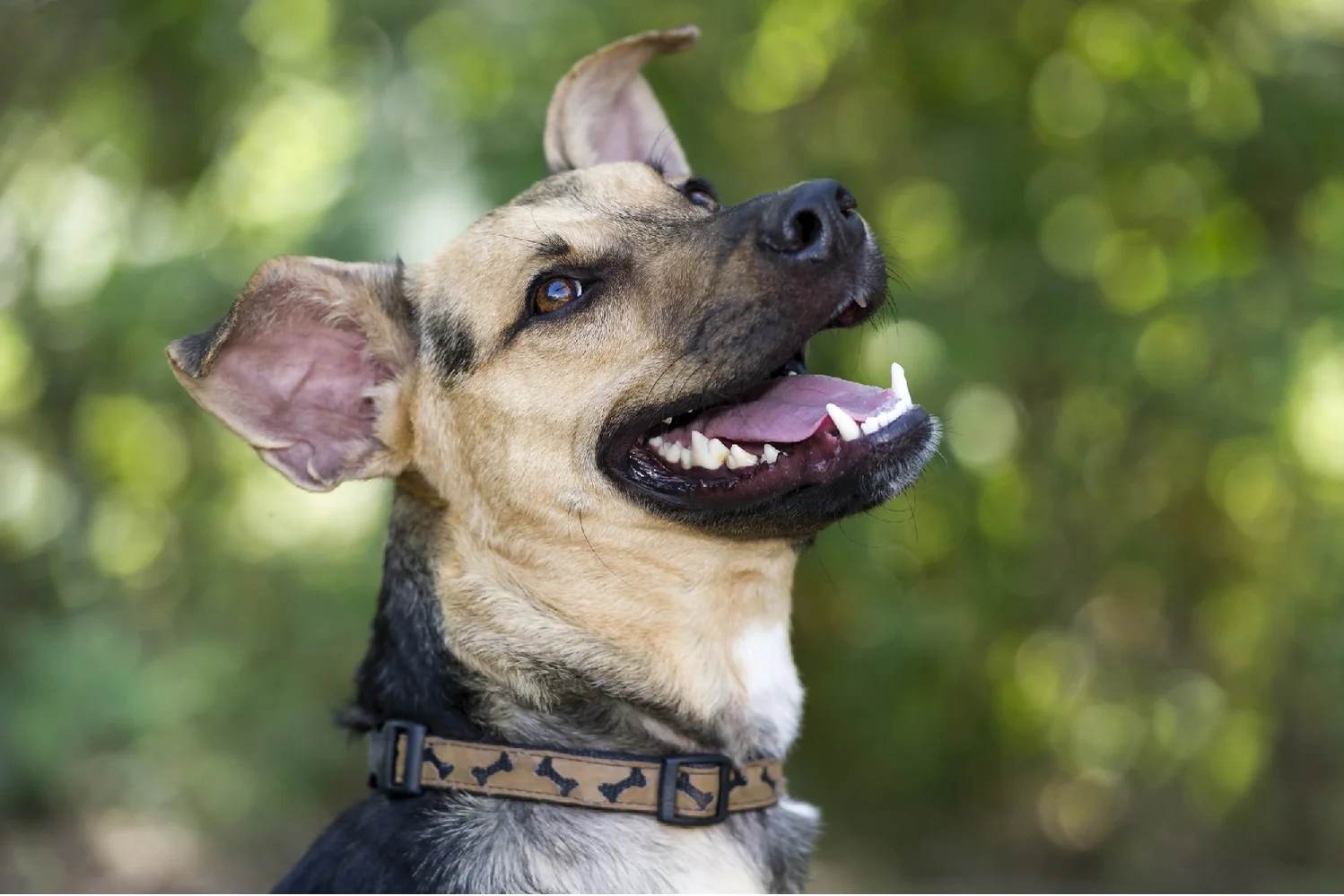
How to Remove Plaque and Tartar from a Dog's Teeth?
Healthy teeth and gums are crucial to your dog's wellbeing. Apart from eating, dogs use their mouths to explore and interact…
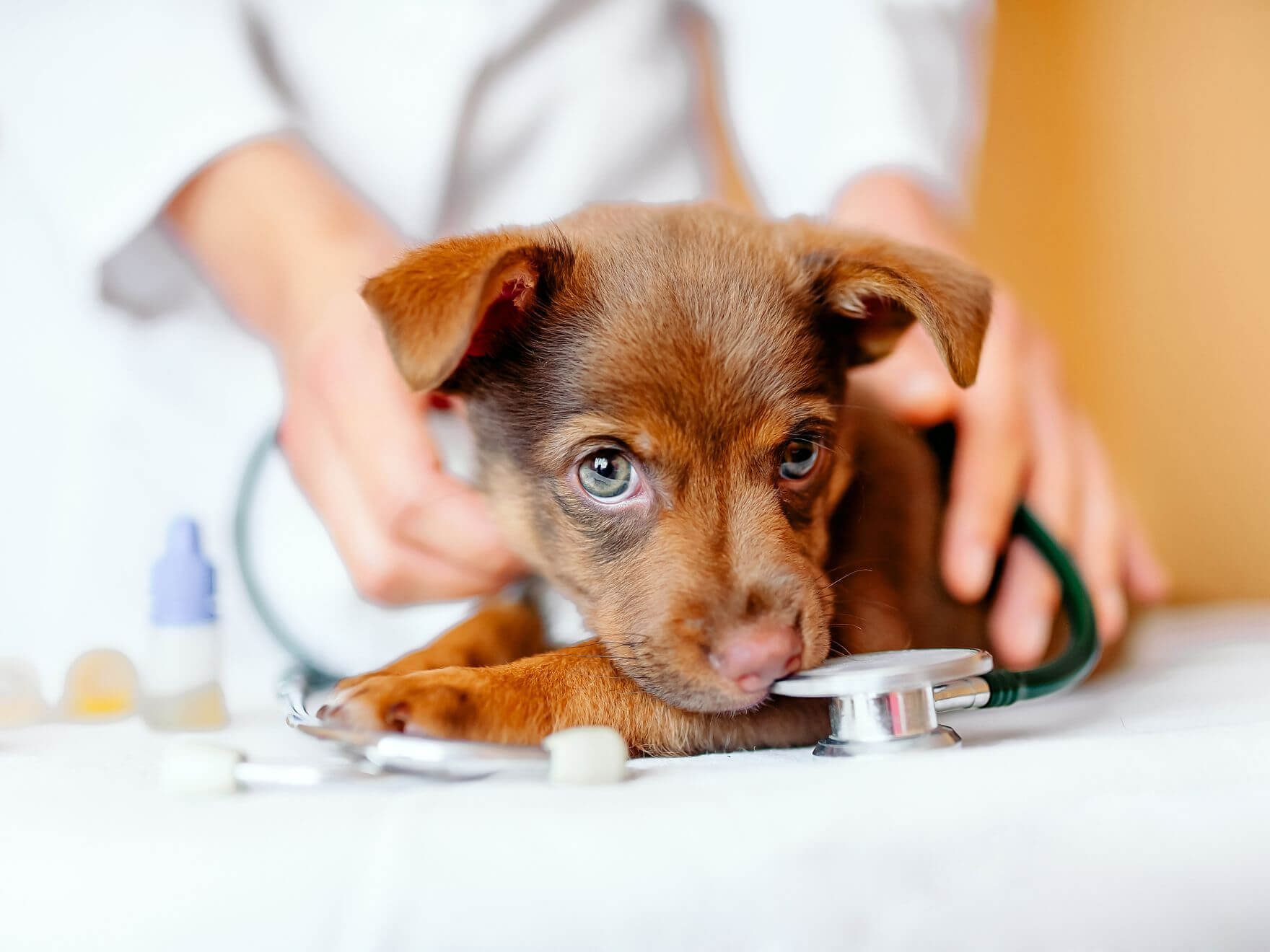
Ringworm in Dogs: Symptoms, Causes, Prevention & Treatment
Ringworm in dogs is a common fungal infection that affects the skin, hair, and nails. Despite its name, it's not a worm but…

Fungal Infection in Dogs: Causes, Symptoms, Prevention & Treatment
Fungal infections in dogs, particularly fungal skin infections, are common and can cause significant discomfort. One…

Kennel Cough in Dogs and Puppies: Symptoms, Treatment & Prevention
Kennel cough is a highly contagious respiratory disease that results from the inflammation of the trachea. Dog parent must…

Canine Distemper: Symptoms, Causes, and Prevention
Canine distemper is a highly contagious and potentially severe disease caused by the canine distemper virus. Dogs generally…

10 Most Common Dog Diseases: Symptoms & Treatment
One of the biggest responsibilities of a dog parent is to stay up to date with their canine's health and rule out any signs…

Hot Spots in Dogs: Symptoms, Prevention & Treatment
Hot spots, also known as pyotraumatic dermatitis, are one of the most common skin conditions in dogs. They are inflamed, red…

The Best Summer Safety Tips for Keeping Your Dog Cool
Whether it's long walks in the park, ambitious hikes, beach days, or simply lounging in the backyard, the summer season…
Training

Can Dogs Eat Mango? Feeding Guide For Pet Owners
Sweet, juicy, and impossible to resist, mangoes are a staple in many households. Many pet parents show affection through…

Can Dogs Eat Cheese? A Guide for Pet Owners
Many pet parents view cheese as a special treat. Since it’s flavorful, convenient to portion, and great at grabbing a dog’s…

Is Milk Good for Dogs? A Safety Guide
There are a lot of misconceptions about whether dogs should or shouldn’t drink milk. Many pet parents offer milk thinking it…

Is Peanut Butter Okay for Dogs? A Safety Guide
Dogs are naturally drawn to peanut butter. The smell, the texture, and the taste often make it one of their all-time…

Is Pineapple Good for Dogs?
Pineapple is a sweet and tangy snack that's a staple in many households. But like many other whole foods, pet parents often…

Is Banana OK for Dogs? A Complete Safety Guide
Sweet, soft, and packed with nutrients, bananas are one of the world’s most popular fruits. Lots of pet parent tend to…

Is Potato Good For Dogs? A Safety Guide for Feeding your Dog
Potatoes are a household staple enjoyed in many forms, mashed, baked, boiled, or fried. Because they’re so common in human…

Crate Train Your Puppy: 5 Easy Steps
Crate training a puppy is a fantastic way to simplify housetraining while providing your furry friend with a safe and cozy…
FAQs
Always keep an eye on your dog’s behaviour and daily habits. If you suddenly notice a drop in their activity level or if you notice a sudden loss in their weight, one of the reasons for those changes might be improper or insufficient feeding. A toy breed dog weighing six pounds or less should consume one-third to about one-half cup of dog food per day. Dogs measuring thirty to fifty pounds, such as Australian shepherds and collies, require one-and-three-quarters cup to two-and-two-thirds cup of dog food each day.
Always keep an eye on your dog’s behaviour and daily habits. If you suddenly notice a drop in their activity level or if you notice a sudden loss in their weight, one of the reasons for those changes might be improper or insufficient feeding. A toy breed dog weighing six pounds or less should consume one-third to about one-half cup of dog food per day. Dogs measuring thirty to fifty pounds, such as Australian shepherds and collies, require one-and-three-quarters cup to two-and-two-thirds cup of dog food each day.
Always keep an eye on your dog’s behaviour and daily habits. If you suddenly notice a drop in their activity level or if you notice a sudden loss in their weight, one of the reasons for those changes might be improper or insufficient feeding. A toy breed dog weighing six pounds or less should consume one-third to about one-half cup of dog food per day. Dogs measuring thirty to fifty pounds, such as Australian shepherds and collies, require one-and-three-quarters cup to two-and-two-thirds cup of dog food each day.
Always keep an eye on your dog’s behaviour and daily habits. If you suddenly notice a drop in their activity level or if you notice a sudden loss in their weight, one of the reasons for those changes might be improper or insufficient feeding. A toy breed dog weighing six pounds or less should consume one-third to about one-half cup of dog food per day. Dogs measuring thirty to fifty pounds, such as Australian shepherds and collies, require one-and-three-quarters cup to two-and-two-thirds cup of dog food each day.

Scan here and download the PEDIGREE® app
Download the PEDIGREE® App
Connect with fellow pet parents who share your interests, delve into informative articles, explore a variety of products, and enjoy regular samples to enrich your pet parenting journey


