
Image
share:


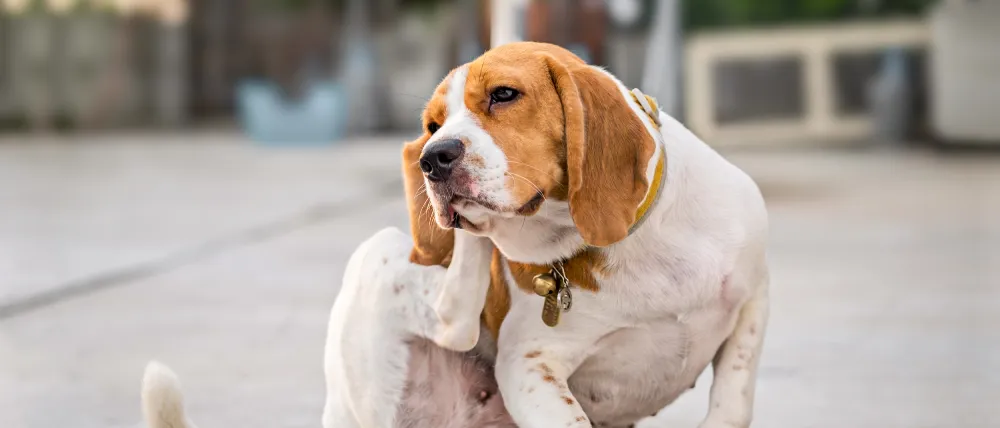
Dandruff isn’t just a human problem; dogs can suffer from it as well. As a pet parent, you might often notice white flakes on your dog’s coat and wonder: “Why does my dog have dry skin and dandruff? What should I do?” While dandruff in dogs can be frustrating, the good news is that with the right care, it’s manageable.
Dog dandruff shows up as tiny, white flakes scattered across the coat; it is often most visible on darker fur. You may notice these flakes on bedding, furniture, or even your clothes after petting your dog. In mild cases, it looks like fine dust, but in more noticeable cases the flakes can be larger and accompanied by redness, itching, or a dull coat. Some dogs develop dry, powdery flakes, while others have oily skin that causes the flakes to stick together.
Dandruff in dogs occurs when the skin becomes dry, irritated, or unhealthy. Dog dandruff causes can be linked to different factors such as one’s diet, environment, or overall health condition. For proper treatment and prevention, understanding what causes dandruff in dogs is the first step.
Beyond visible flakes, there are other signs of dandruff in dogs, which are:
Effective dog dandruff treatment depends on the cause. Here are some proven methods on how to get rid of dog dandruff:
Take note that puppies may also experience lighter flaking as their skin adjusts to growth. In this case, puppy dandruff treatment emphasizes gentle shampoos, hydration, and balanced nutrition.
Certain dog breeds are more susceptible due to coat type, skin sensitivity, or genetic predisposition. Breeds with thick double coats, like Huskies, or those prone to allergies, like West Highland Terriers, often experience dandruff. Small breeds, including Shih Tzus, may also show flaky skin more frequently. Knowing your dog’s breed tendencies helps anticipate and prevent issues.
Dandruff in dogs can be worrisome but the good news is that it’s also very manageable. Now that you know how to get rid of dog dandruff and what causes dandruff in dogs, it should be much easier for you to manage your dog’s skin and coat health. However, always remember that persistent flaking, itching, or redness may indicate an underlying condition that requires professional attention. For more advice on caring for your companion, explore the PEDIGREE® blog.
Review this article:
You can start by hydrating your dog, focusing on providing a balanced diet rich in omega-3s, and make grooming a habit. Use gentle, vet‑approved shampoos and consider adding a humidifier at home. If flakes persist, consult your vet for tailored dog dandruff treatment.
Mild dandruff is usually harmless, but persistent flakes can indicate underlying issues like allergies, parasites, or other chronic conditions.
Dog breeds with thick coats or sensitive skin are more prone, including Huskies, West Highland Terriers, Dachshunds, and Shih Tzus.