
Terrier Dog Breed - Dog & Puppy Information & Characteristics
Share:


Bold, spirited, and endlessly entertaining, Terriers have won the hearts of pet parents across the globe. Originally bred to hunt vermin, guard farms, and dig into the earth to catch prey, the Terrier dog breed is one of the most fascinating groups in the dog world. From tiny Terrier breeds like the feisty Yorkshire Terrier to large Terrier dog breeds like the powerful Airedale, there's a Terrier to fit every pet parent. Whether you're learning about the Terrier dog temperament or already caring for one, this guide covers everything you need to know.
Terrier Dog Physical Appearance
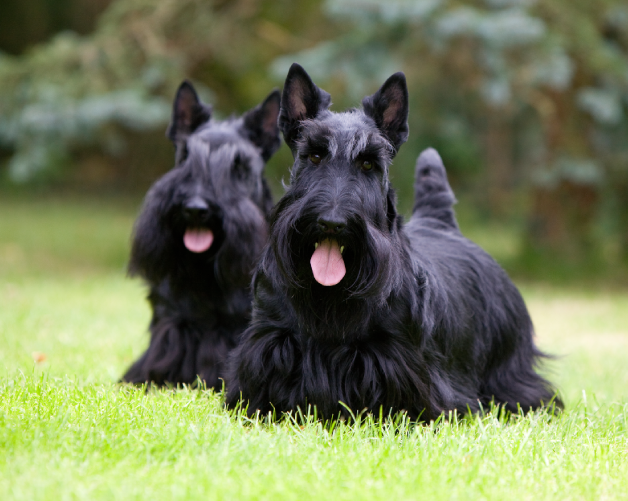
Because Terriers are a breed group rather than a single breed, their appearance can vary greatly depending on the Terrier type. Terrier dogs come in a wide variety of shapes, sizes, and coat types. Most Terrier breeds are muscular, agile, and compact, with strong jaws and alert expressions that reflect their energetic personality and hunting background.
Depending on the breed, Terriers may have smooth, wiry, rough, or long coats that require different levels of grooming and maintenance. Terrier dogs also come in many colors, including black, white, tan, brindle, brown, and mixed color combinations. Their physical diversity is one of the reasons why Terrier dog breeds remain popular among dog lovers around the world.
Terrier Dog Personality and Temperament
A Terrier dog’s personality is one of the most endearing aspects of the breed group. They are confident, curious, and fiercely loyal to the people they love. The Terrier dog temperament and personality can vary but here’s how the breed typically ranks across different traits.
- Low ⭐
- High ⭐⭐ ⭐⭐⭐
| Characteristics | Rating | Notes |
|---|---|---|
| General Maintenance | ⭐⭐⭐ | Terrier dog breeds need moderate care, and grooming varies by their coat type. |
| Grooming | ⭐⭐⭐⭐ | Wiry-coated Terriers need regular grooming, while smooth-coated ones require comparatively less effort. |
| Adaptability | ⭐⭐⭐ | Terriers adapt to their environment over time; however, they thrive in active households. |
| Family Friendliness | ⭐⭐⭐⭐ | This dog breed is loyal and affectionate, but supervision is required with small kids. |
| Sociability With Other Pets | ⭐⭐ | The Terrier dog breed can be territorial, so early socialization helps in bonding. |
| Playfulness | ⭐⭐⭐⭐ | Terriers are very energetic, enjoy playing games, and thrive on interaction. |
| Barking | ⭐⭐⭐⭐ | This dog breed is known for barking frequently, since they are alert and get excited pretty easily. |
| Energy Level | ⭐⭐⭐⭐ | Terrier dogs are high on energy most of the time, so daily exercise is essential for their daily routine |
| Exercise / Activity Tolerance | ⭐⭐⭐⭐ | They enjoy vigorous play, agility, and long walks. |
| Training Needs | ⭐⭐⭐ | They are intelligent but stubborn and require consistent training to establish good habits. |
| Health Issues | ⭐⭐⭐ | Generally healthy, but some Terrier breeds are prone to allergies or joint issues. |
| Longevity | ⭐⭐⭐⭐ | A Terrier dog's life span ranges from 12 to 15 years. |
Key Characteristics of Terrier Dogs
Here are the key characteristics of the Terrier dog at a glance.
| Average Lifespan | Terrier dogs' lifespan is usually between 12 to 15 years |
| Weight | A Terrier dog’s weight typically ranges from 10 lbs for tiny Terriers and can exceed 60 lbs for big Terriers |
| Height | The height for this breed ranges from 9 inches to 24 inches |
| Coat | They have smooth, wiry, or rough coats, depending on their type |
| Size | The Terrier dog’s size is compact and muscular. |
| Origin | Terriers originated in the British Isles and were bred for hunting vermin and guarding farms. |
Terrier Dog History
The history of the Terrier dog traces back to Europe, particularly in England, Scotland, and Ireland. The word "Terrier" comes from the Latin terra, meaning "earth," a direct reference to the breed's original role as earth dogs that hunted prey underground. Over time, different Terrier types were bred for specific roles like flushing out farm vermin, hunting foxes, or serving as devoted companions, giving rise to the wide variety of Terrier breeds seen today.
Types of Terrier Dogs
Because Terriers are a breed group rather than a single breed, each Terrier type can vary greatly in size, appearance, and personality. Here’s a quick look at some popular Terrier breeds by size.
| Terrier Type | Terrier Dog Breeds |
|---|---|
| Small Terrier Breeds | Australian Terrier, Silky Terrier, West Highland White Terrier, Norfolk Terrier, Yorkshire Terrier, Norwich Terrier, Cairn Terrier |
| Medium Terrier Breeds | Soft Coated Wheaten Terrier, Bedlington Terrier, Jack Russell Terrier, Lakeland Terrier, Border Terrier, Scottish Terrier |
| Large Terrier Breeds | Airedale Terrier, Irish Terrier |
| Unique Terrier Types | Bull Terrier |
How Long Do Terrier Dogs Live?
Terriers generally live between 12 to 15 years, although smaller Terriers often live longer than larger ones. Generally, tiny Terrier breeds may live up to 17 years, while large Terrier breeds average closer to 12 years. Like other dog breeds, following a proper diet, regular exercise, and routine vet care, helps Terriers live long and happy lives.
How to Care for a Terrier Dog?
Here’s what responsible Terrier care looks like in practice:
Exercise
Terrier dogs need daily walks and active play sessions to stay happy and healthy. Without adequate activity, Terrier dog behavior can become destructive — a telltale sign of a bored Terrier looking for an outlet.
Training
Terriers respond best to positive reinforcement. They are quick learners, but their stubborn streak means consistency is essential. Short, engaging sessions work far better than long, repetitive ones.
Socialization
Early exposure to different people, pets, and environments helps shape a balanced and confident Terrier. Without it, their natural alertness can tip into territorial behavior.
Health care
Routine vet visits and screenings are important for maintaining a Terrier’s health. Pet parents should watch out for common concerns in Terriers such as allergies, joint issues, weight gain, and dental disease. Following a healthy diet, monitoring your pet’s health, and using helpful resources like the PEDIGREE® Toothscan Tool supports long-term health management.
Mental Stimulation
Puzzle toys, scent games, and interactive activities keep Terriers mentally sharp and content. A mentally engaged Terrier is a happy companion.
Terrier Dog Grooming and Maintenance
Terriers come with different kinds of coats so grooming needs to vary by the Terrier’s type:
- Wire-coated Terriers: Breeds like the Wire Fox Terrier and Airedale often require hand-stripping or professional grooming to maintain their rough coat texture.
- Smooth-coated Terriers: Smooth-coated Terriers like the Bull Terrier are the easiest to maintain and generally only need a quick weekly brush.
- Long-haired Terriers: Long-haired breeds like the Yorkshire Terrier need regular brushing to prevent tangles and matting, especially around the face and ears.
Routine ear cleaning, nail trimming, and dental care are important across all coat types for long-term comfort and health.
Are Terrier Dogs Suitable for Indoor Living in the Philippines?
Yes, many Terrier dogs are suitable for indoor living in the Philippines. They can adapt well to the tropical climate of the country, provided they get enough exercise and grooming. Tiny Terrier breeds are especially well-suited for apartment living, while larger Terrier dogs may need more space. For proper heat management, pet parents should ensure their Terrier always has access to fresh water, shade, and good ventilation, and schedule walks during cooler parts of the day.
Terrier Dog Nutrition and Diet
A Terrier thrives best with a diet centered around complete and balanced dog food. Have a look at the essential nutrients that Terrier dogs need:
- Protein: High-quality protein helps support muscle maintenance, energy levels, and overall body condition in active Terrier breeds.
- Healthy Fats: Good fats provide energy and help maintain healthy skin and a shiny coat.
- Carbohydrates: Highly digestible carbohydrates in moderation help support daily energy needs while supporting healthy digestion.
- Micronutrients: Vitamins, minerals, omega fatty acids, and antioxidants help support immune health, joint function, and overall wellness.
- Feeding Routine: Terrier dogs benefit from balanced meals served in proper portions and on a consistent feeding schedule. Following proper feeding guidelines along with regular exercise helps maintain a healthy weight.
Terrier Dogs: Loving Companions for a Warm Household
From tiny Terrier breeds in cozy apartments to large Terrier dog breeds built for life on the move, this spirited breed group has something to offer every kind of pet parent. Understanding Terrier dog temperament and care needs is the first step to giving them the happy, active life they deserve. For more expert advice on dog care, training, and nutrition, take some time to explore the PEDIGREE® Blog.
FAQs
Yes, Terrier dogs make wonderful house dogs, especially smaller Terrier breeds that adapt easily to apartment living. They are loyal, affectionate, and deeply bonded to their families. The key is to ensure they get enough daily exercise, training, and mental stimulation to channel their energy well.
A Terrier dog's temperament can be territorial, but with early socialization, they adapt well to people and other pets. Many Terriers coexist peacefully with other dogs and even with humans, with a good amount of playtime.
Yes. Natural Terrier dog behavior is energetic and playful, so daily exercise is essential to prevent boredom. It is also the best way to keep them from gaining excessive weight and developing destructive habits.
Terriers are intelligent but stubborn. Positive reinforcement and reward-based methods work best, and short, engaging sessions are far more effective than long, repetitive drills.
Terriers bark a lot because they were bred to alert their owners and hunt vermin, making barking a natural behavior. With proper training, exercise, and mental stimulation, excessive barking can be managed effectively.